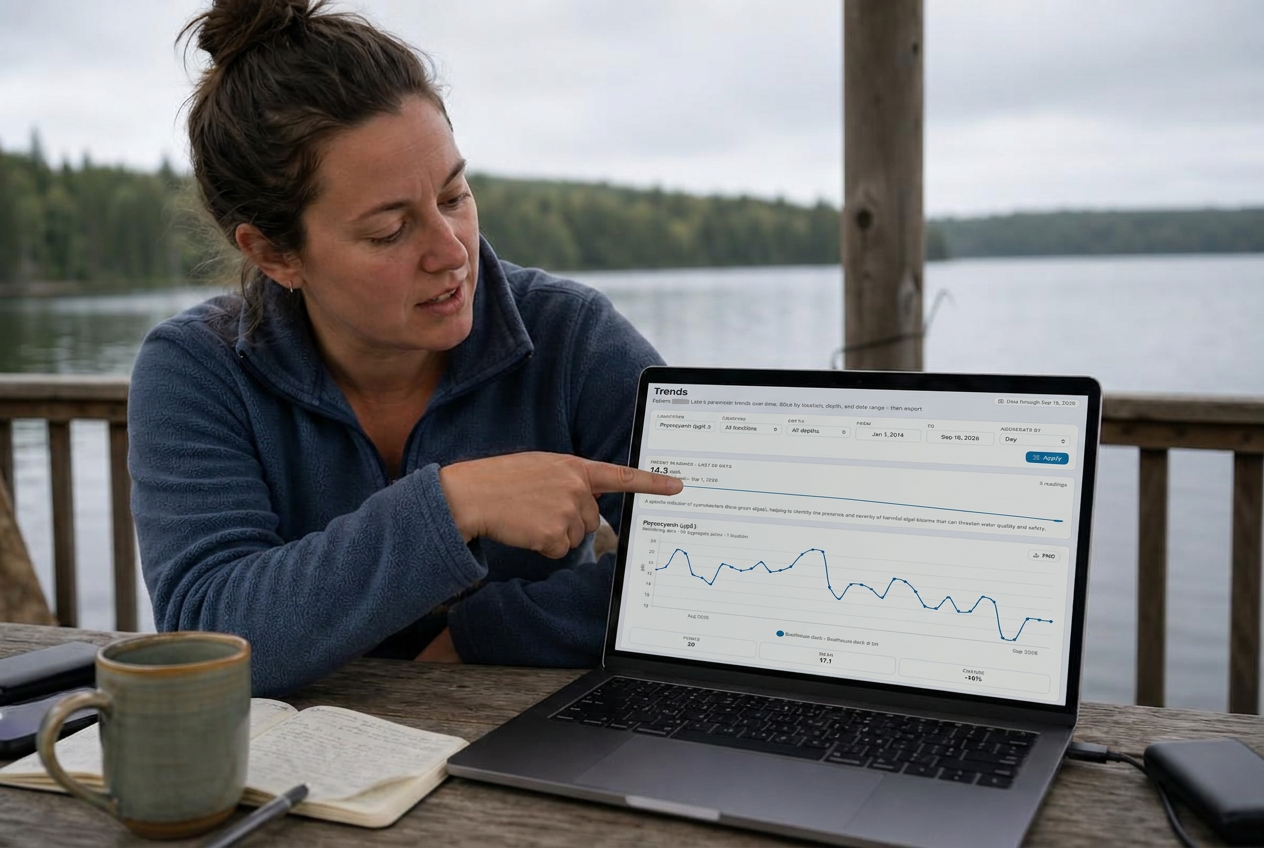
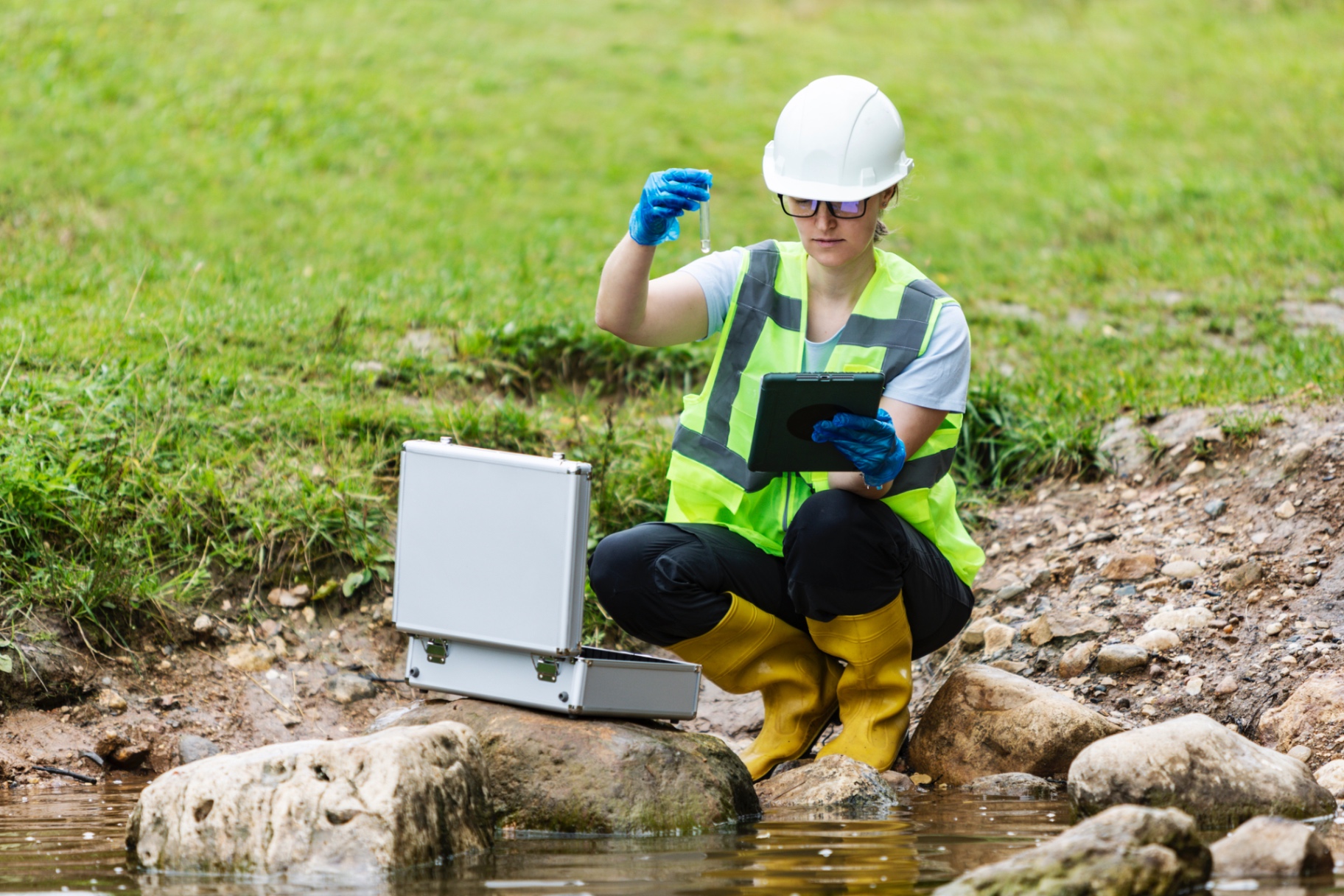
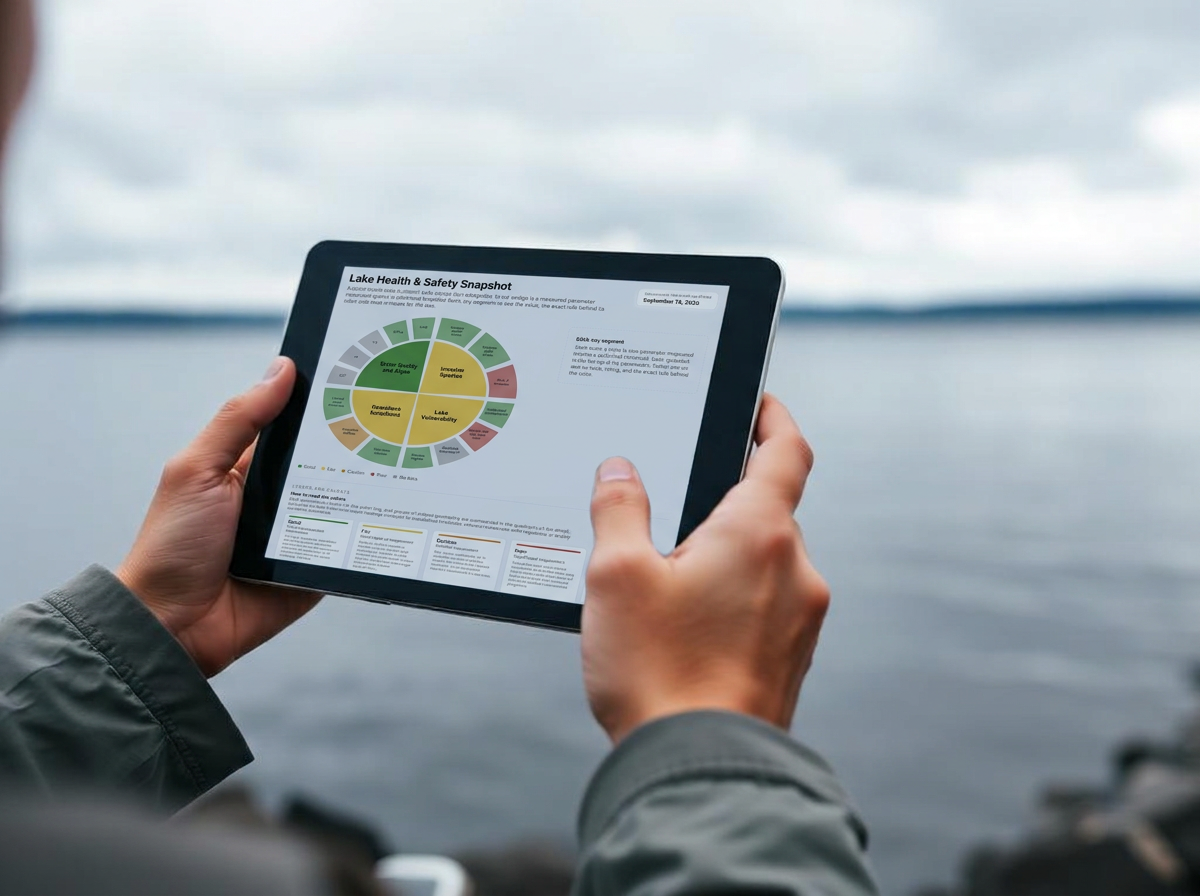
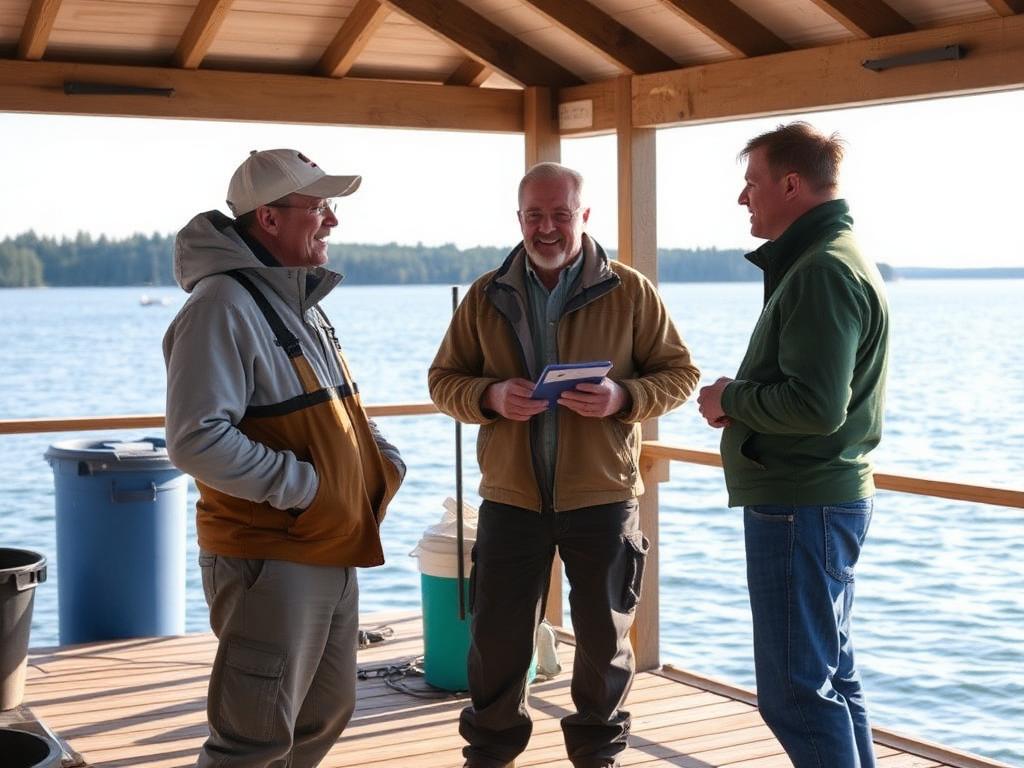
Lake Pulse was built by a team of lake management practitioners, career limnologists, aquatic testing and monitoring professionals, and active lake association members. We have drafted the management documents, run the assays, and sat through the association meetings where a $6,000 study was debated line by line. We know policy, data, and treatment — and, just as important, we know where technology genuinely helps and where it only adds another invoice.
Our theory of change is straightforward: a visible method plus a shared record equals action. Most lake decisions don’t stall from apathy — they stall for lack of defensible evidence, because no one wants to be the volunteer who spent the fund on a hunch. Give a community numbers it can check, repeat, and defend — a decision made in 2019 that can still be defended in 2029 — and the argument moves from whether there is a problem to what to do about it.
And we built this for the proverbial little guy, on purpose. The lakes with consultants on retainer already have their answers. The volunteer treasurer, the retired teacher sampling off her dock, the five-family lake that raises $900 a season — they are why Lake Pulse exists. Helping the little guy isn’t a marketing line; it’s the reason the platform is designed and priced the way it is. A lake’s evidence should never depend on the size of its budget.