Lab Testing
Certified-lab analysis for the parameters that hold up in a meeting: phosphorus, chlorophyll-a, nitrogen, chloride, bacteria, cyanotoxins, and eDNA.
Shop Lab Testing solutions
Lake data
Produce it, manage it, own it, and share it from your lake's permanent record.
Definition
Association boards transition. Consultants come and go. A local government's involvement can ebb and flow depending on funding. What stays consistent is your lake's profile on Lake Pulse — permanent, objective, and focused only on helping you generate more data at higher spatiotemporal resolution, which can then be acted on.
“Permanent” does not mean “official”.
Permanent describes who the record outlasts, not who stands behind it. It means the measurements, notes, dates, and sources stay together in one place across every change of board, staff member, consultant, or budget cycle — rather than leaving with the person who kept them.
It is not an official record. Lake Pulse is not a government authority. We do not certify, rate, or judge your lake's condition, and nothing in your record carries legal or regulatory standing on its own. What you get is continuity: the same record, methods and dates intact, readable by whoever is next responsible for the water.
Permanent is not a claim of finality either. Corrections are expected, you can export everything you generated, and you can delete it. The permanence is in the continuity of the lake's data, not in any one version being treated as the last word.
This definition is mirrored in our FAQ and in Part I of the Platform Terms.
Data-producing solutions
Every aisle is a way to turn water into evidence. Start with the question you're trying to answer, then pick the tool that answers it.
Certified-lab analysis for the parameters that hold up in a meeting: phosphorus, chlorophyll-a, nitrogen, chloride, bacteria, cyanotoxins, and eDNA.
Shop Lab Testing solutionsHand tools and volunteer-grade instruments for the readings you take yourself, week after week, from your own dock.
Shop Field Testing & Monitoring solutionsBuoys, dock stations, and connected sensors that report continuously instead of once a summer.
Shop Real-Time Monitoring solutionsRemote-sensing products that map clarity and bloom extent across every cove — including the seasons you weren't out there measuring.
Shop Satellite solutionsFlights for shoreline change, plant beds, and bloom edges at a resolution satellites can't reach.
Shop Drone solutionsData cleanup, historical imports, trend reports, and expert review. You keep the data; we help you read it.
Shop Data & Services solutionsPre-assembled answers to one lake question — click, swipe the card, and get sharper insight into that issue. No call, no onboarding.
Shop Bundles solutionsManaging data
Most lakes already have decades of data. It's scattered. We pull it together, keep it current, and keep it readable by whoever holds the clipboard next.
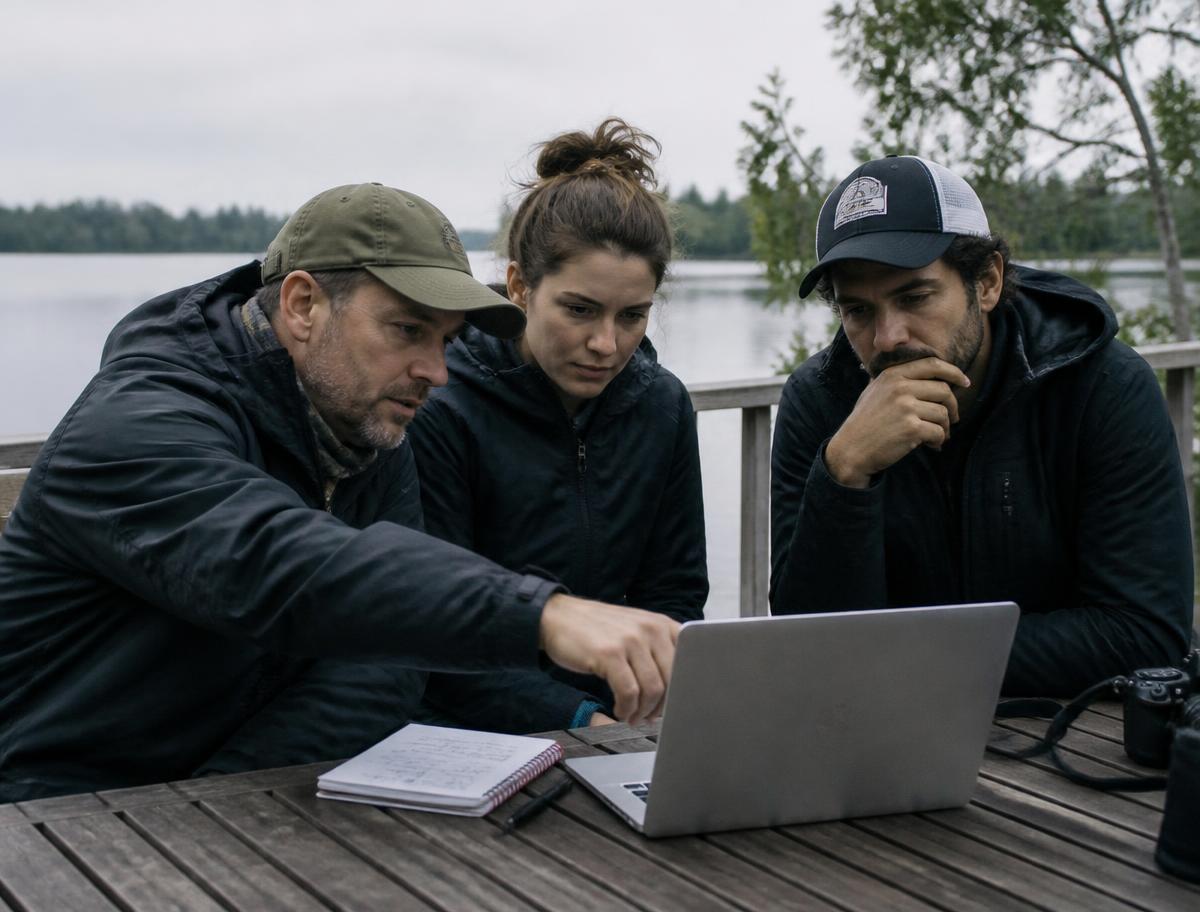
Old lab sheets, agency data, consultant reports, and volunteer logs pulled into your lake's permanent record.
The landing, the inlet, the deep hole, and the back cove are tracked separately, because they don't behave the same.
When officers turn over, the record stays. Nobody starts from scratch again.
Data ownership
Boards ask us this before anything else: if we test and the numbers are bad, does that hurt us? Here is our answer, in writing.
Your association owns its data. Export it, take it with you, or delete it. Cancelling doesn't cost you your history.
We don't submit your results to any state or federal agency unless you direct us to. When you do want to submit — for a grant or a monitoring credit — the State Reporting Bridge formats it and you press the button.
Not to treatment companies, not to realtors, not to data brokers, not to anyone.
Your own trend lines, and anonymized regional comparisons that make every subscriber's results more meaningful. Your neighbor's lake makes yours easier to read.
How to think about it
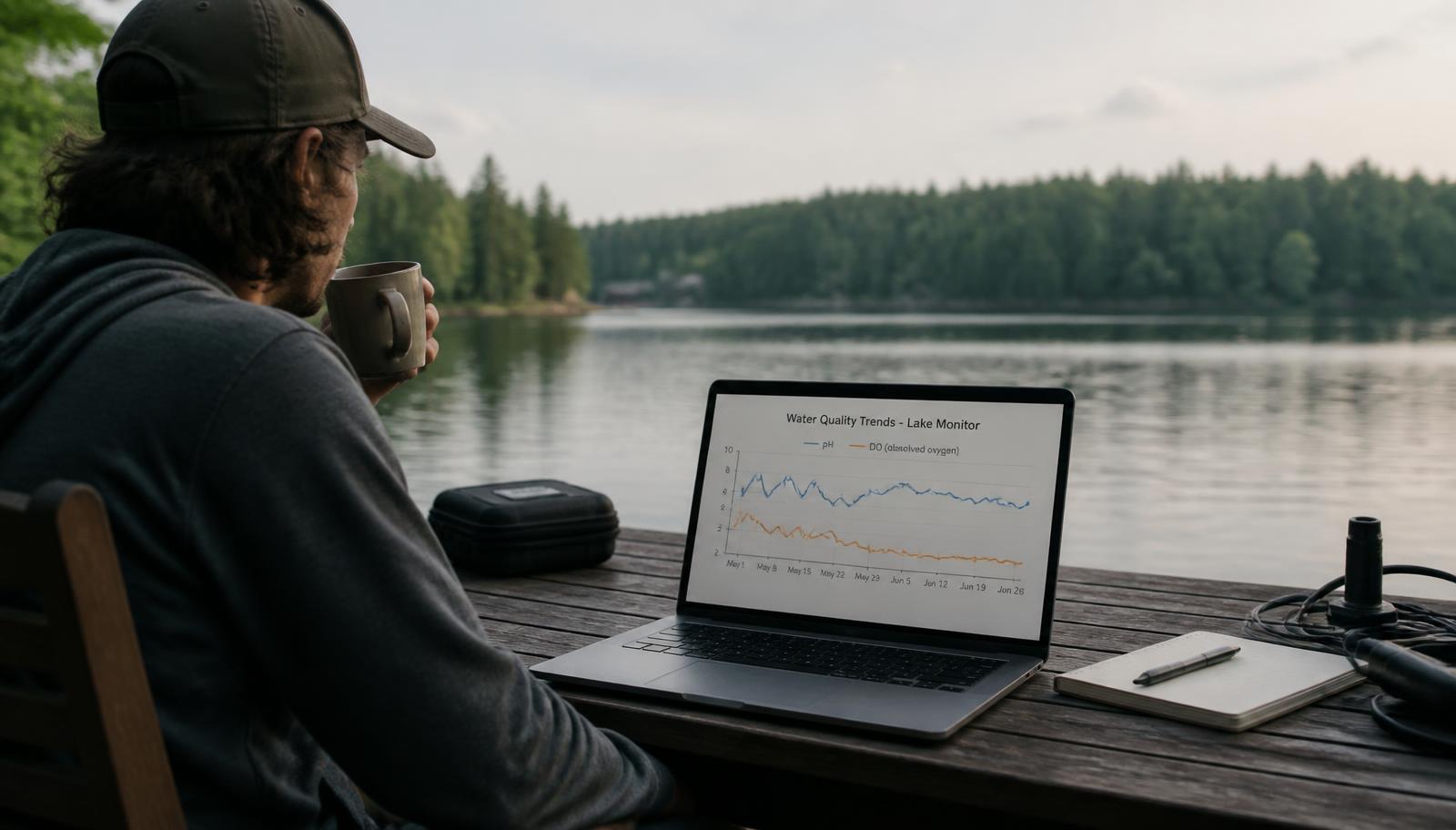
The best data program isn't the biggest one. It's the one your board can act on. More money-saving guidance lives in the data FAQs.
A modest measurement in the right cove beats a perfect one taken where nothing changes.
A single reading is trivia. The same reading, same spot, three seasons running, is evidence.
Where nothing has been measured is often the most useful thing to report to a board.
You can buy and use Toolbox gear without subscribing, but the results won't flow into Documents & Reports — and unsynced data is a lot less useful a year from now.
The cheapest test is the one you didn't need. Ask Lake Pulse before spending, and we'd rather you did. Plus, Lake Admin, and PRO subscribers can also reach the Boathouse for deeper guidance.
Lake Pulse data plumbing
Data comes in from many sources, gets organized by place and season, and comes back out as a record you can use, share, or take with you.
Lab samples, field readings, real-time sensors, satellite passes, drone flights, and historical imports all feed the same shared lake record.
Every reading is standardized, geotagged, and time-stamped so data from different years, methods, and sources line up.
Sorted by lake, site, depth, and season — because the inlet in spring is not the deep hole in August.
Trend lines, alerts, clean exports, and sharing controls — in the Portal, the app, or the format your agency asks for.