
Every big lake decision rests on a number someone can stand behind: whether to treat, whether to close the beach, whether to spend. Lab testing is how a suspicion becomes a fact.
Picking a test used to mean knowing method numbers, detection limits, and which lab would even take a lake sample. We've done that part. Pick the question, we ship the kit in 1–2 business days, and results land in your lake's shared record.
Start here
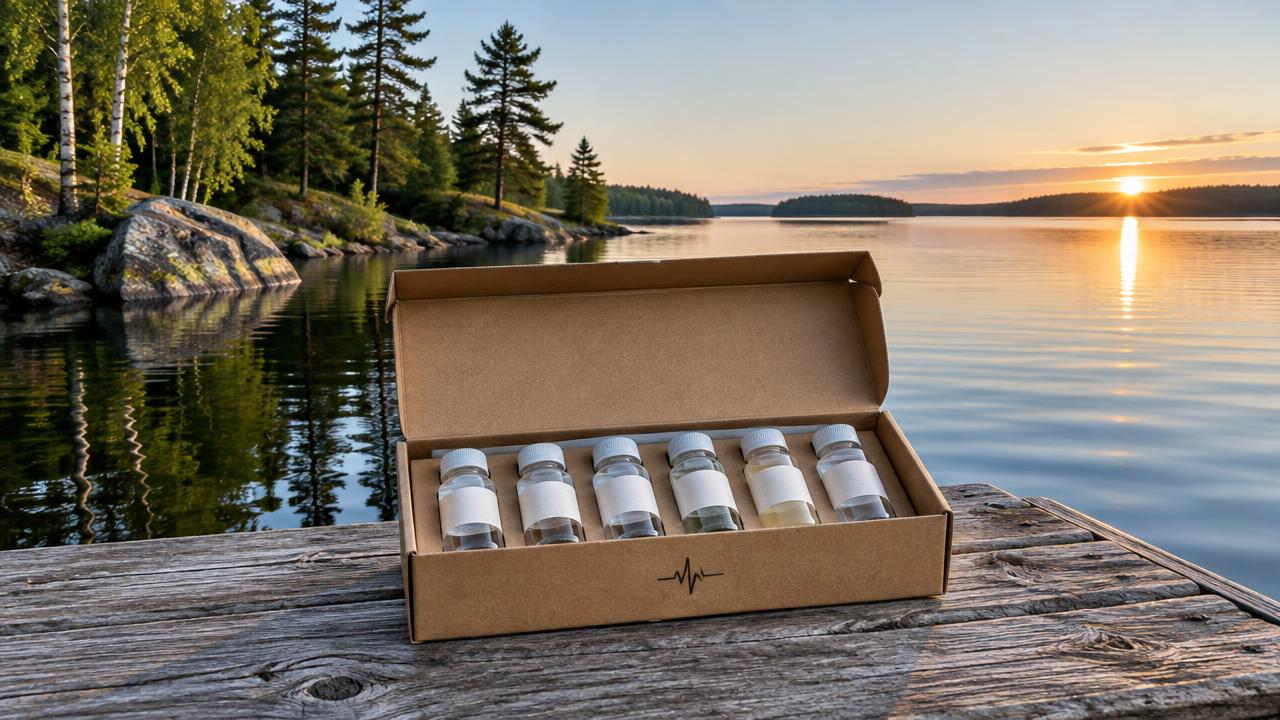
Basic Lake Test
Six core parameters from one surface sample.
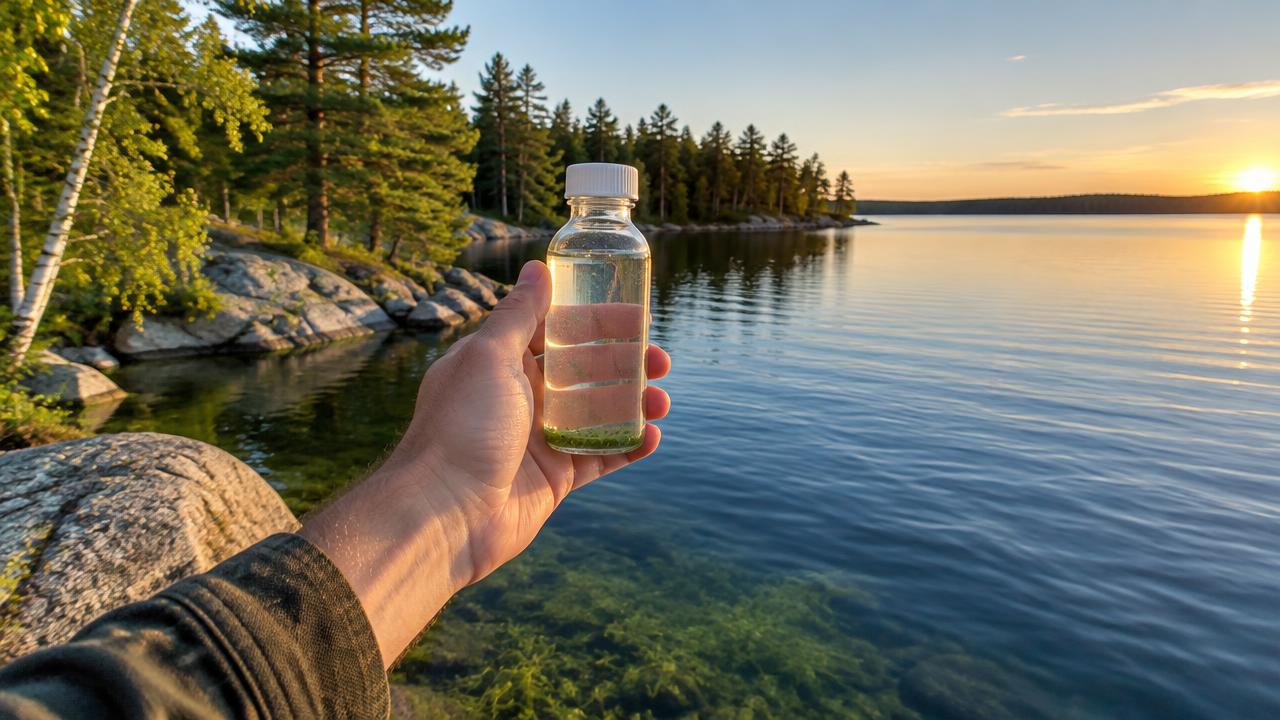
Total Phosphorus
The most predictive number in lake management.
Nutrients

Nutrient Profile
Nitrogen and phosphorus together, for eutrophication risk.
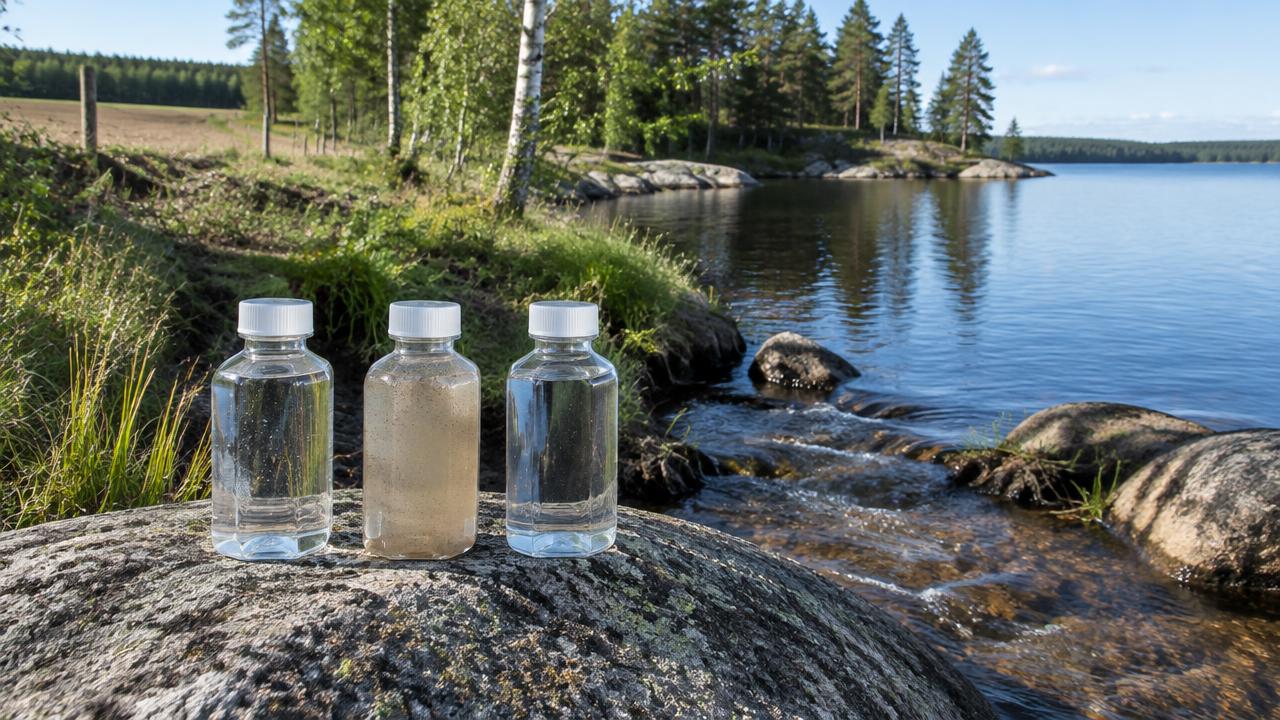
Nitrogen Sequence
Three forms of nitrogen that show where it's coming from.
Algae and blooms
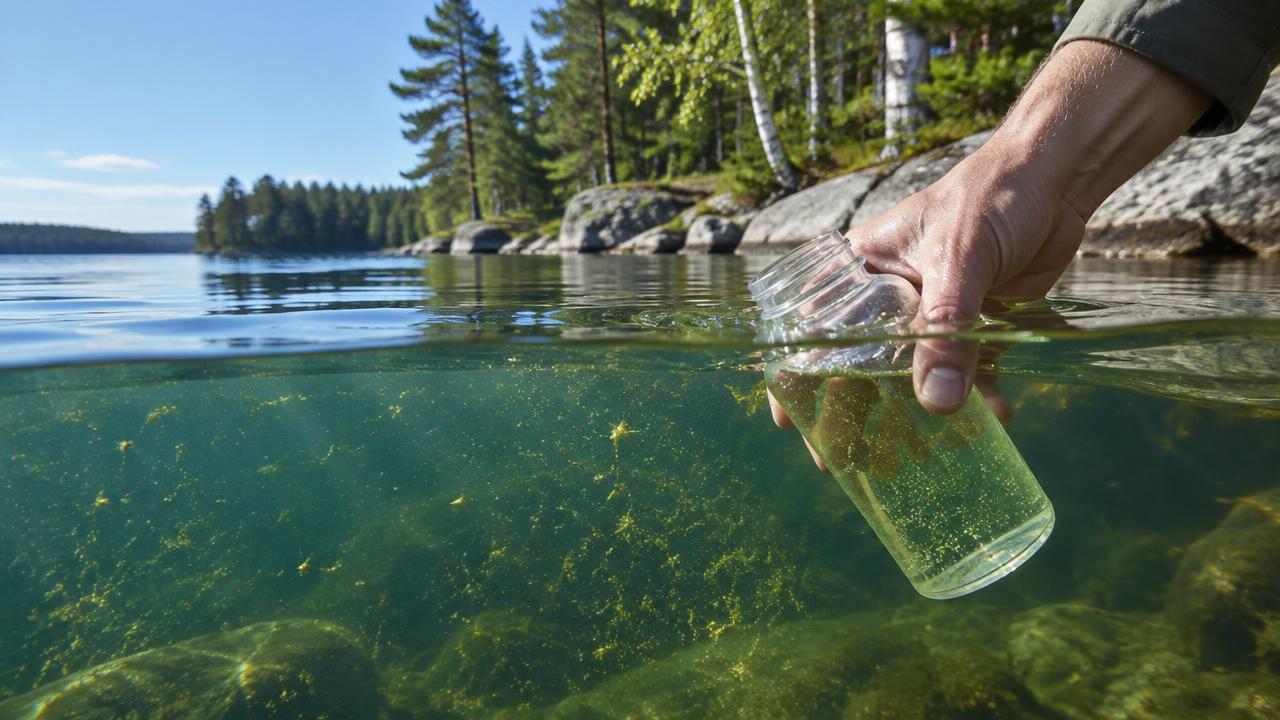
Chlorophyll-a
How much algae your lake is actually growing.
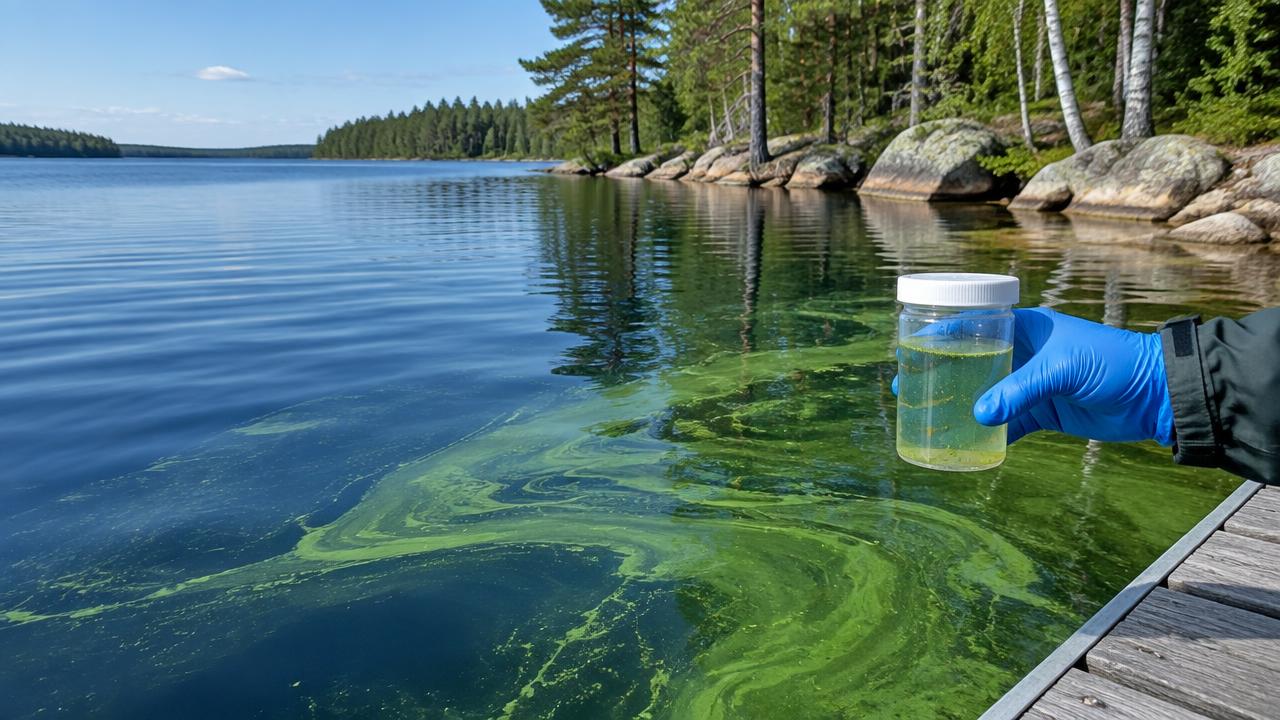
Rapid Bloom ID & Cell Count
What you have, answered in 24 hours.
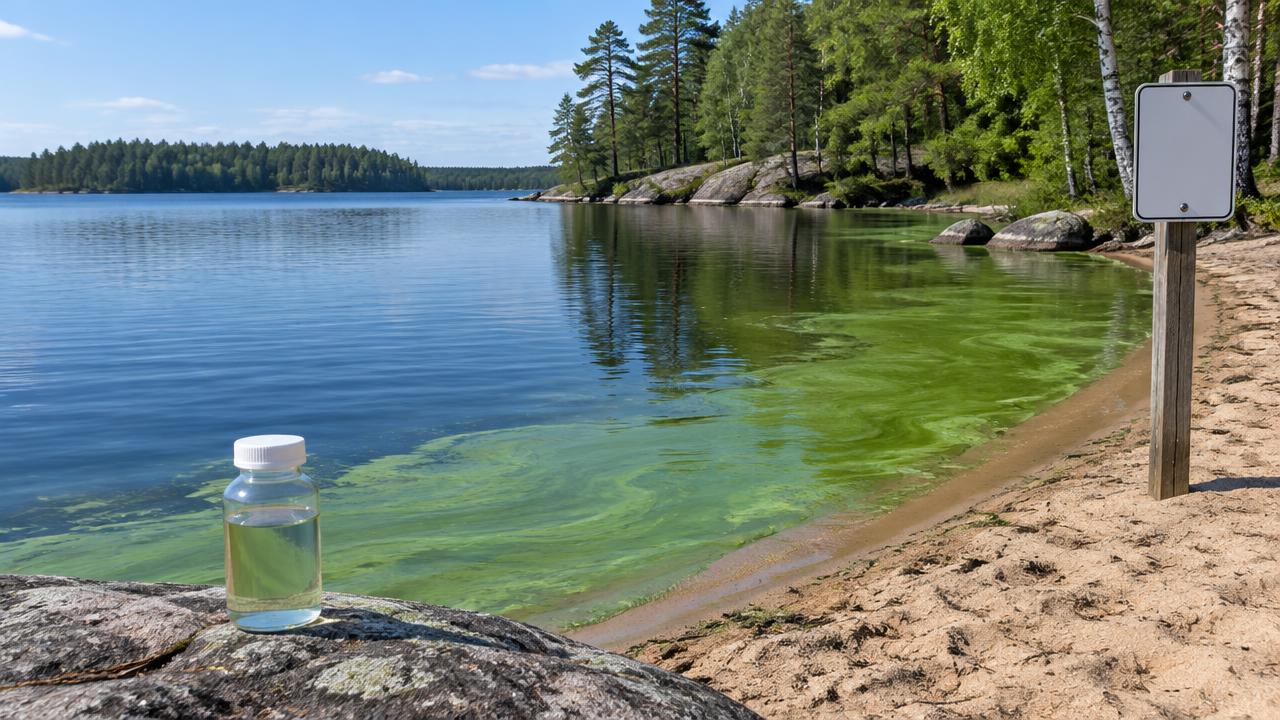
Microcystin
The liver toxin that closes beaches.
Saxitoxin
A lake can test clean for microcystin and still be dangerous.
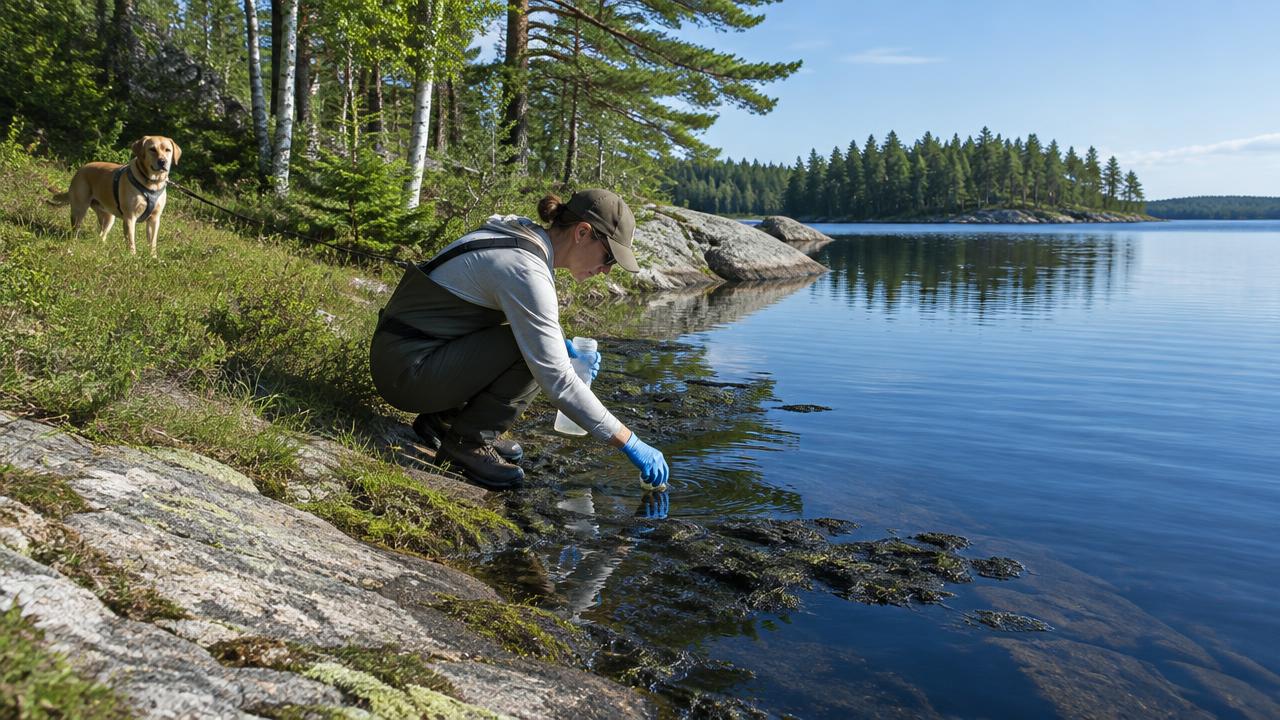
Anatoxin-a
The fastest-acting cyanotoxin. If an animal is sick, sample now.
Swim safety
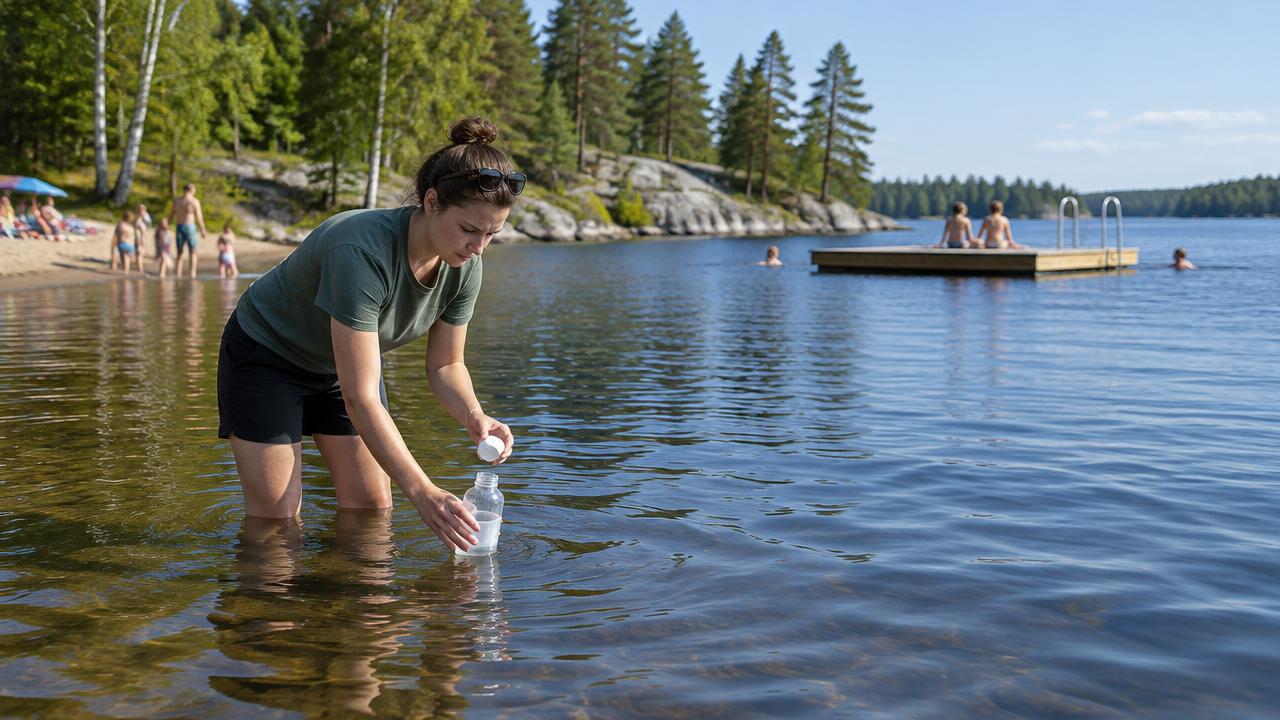
E. coli & Coliform
The standard measure of whether the water is safe to swim in.
Clarity and salt
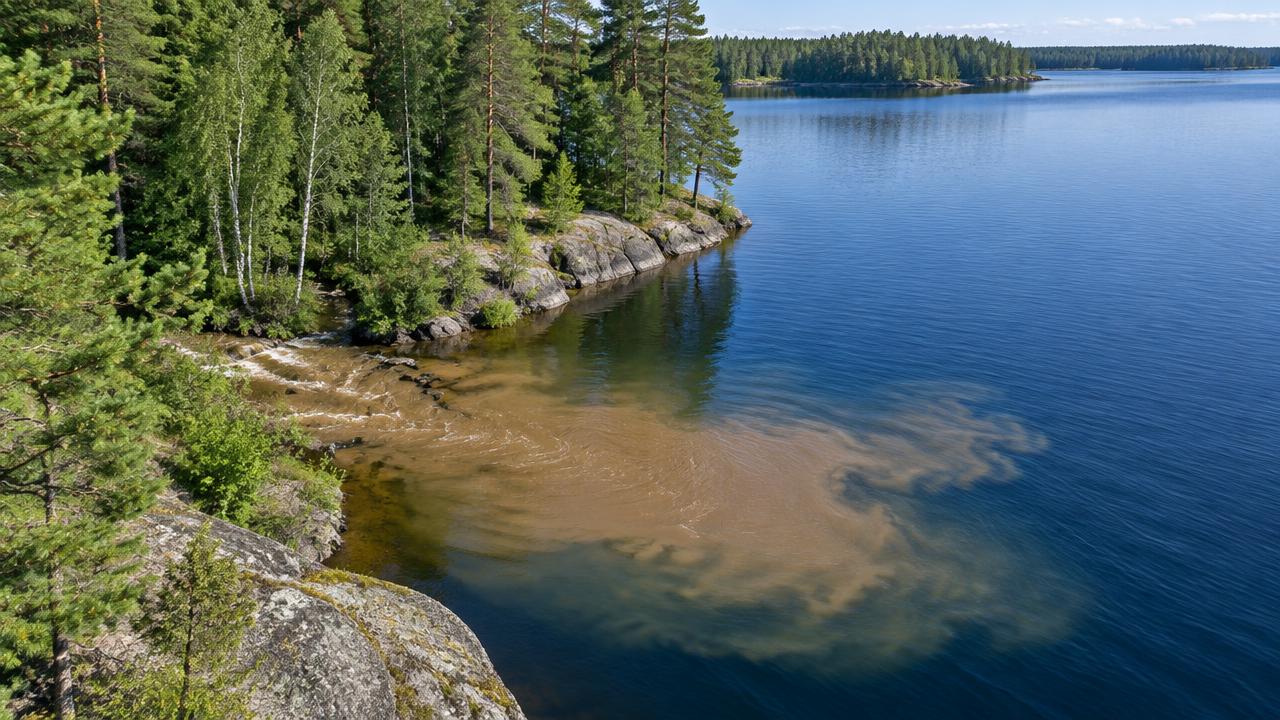
TSS
How much material is in the water.
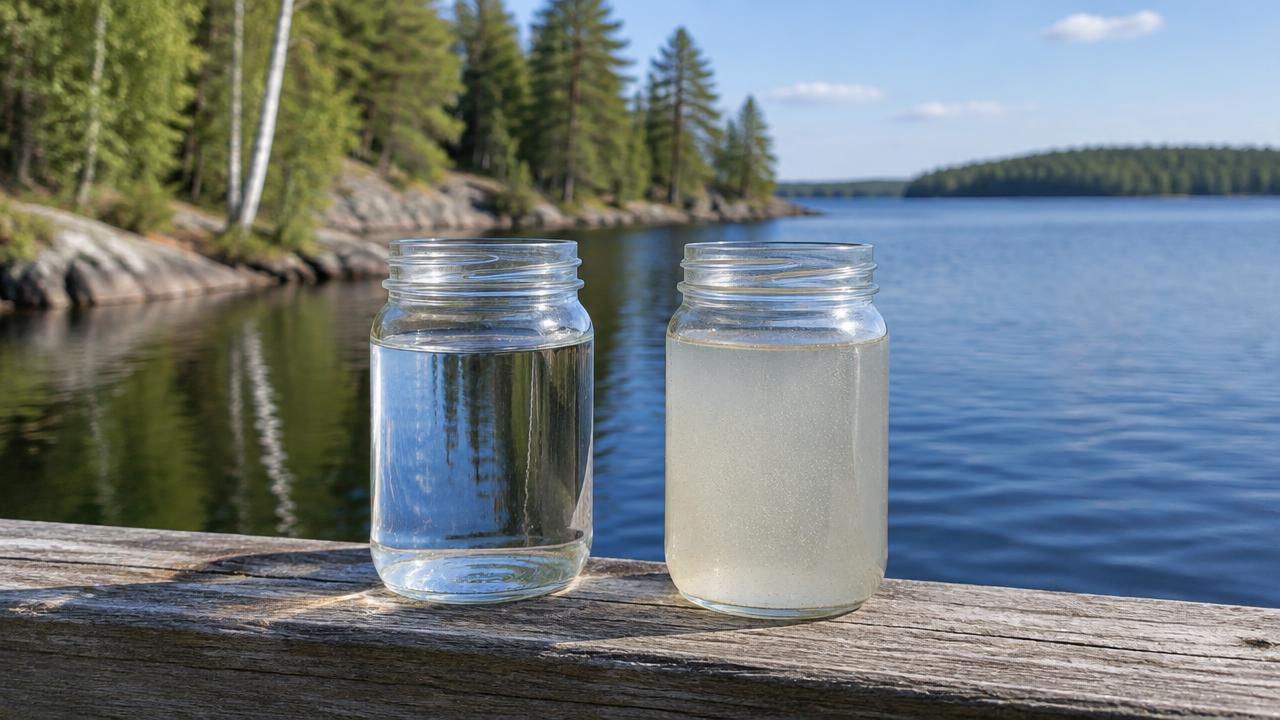
TSS & Turbidity
How much material is in the water and how much it matters.
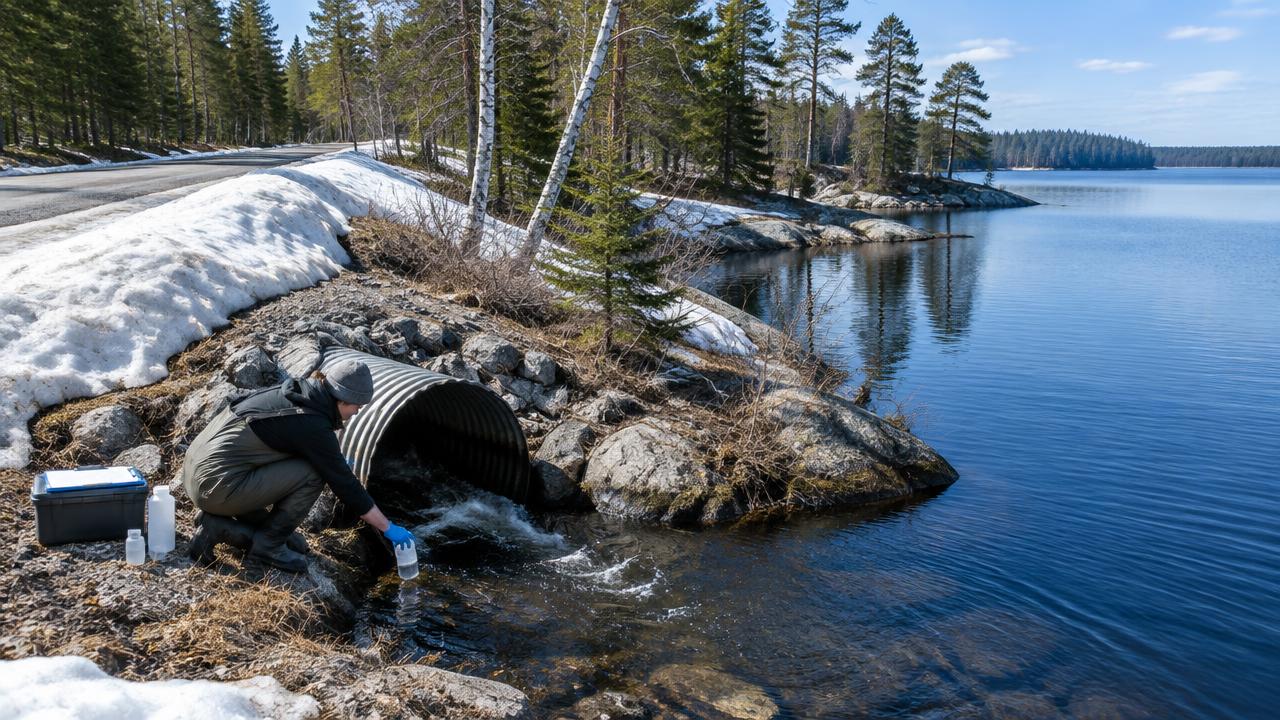
Chloride & Road Salt
Chloride doesn't break down, so this records how much has arrived.
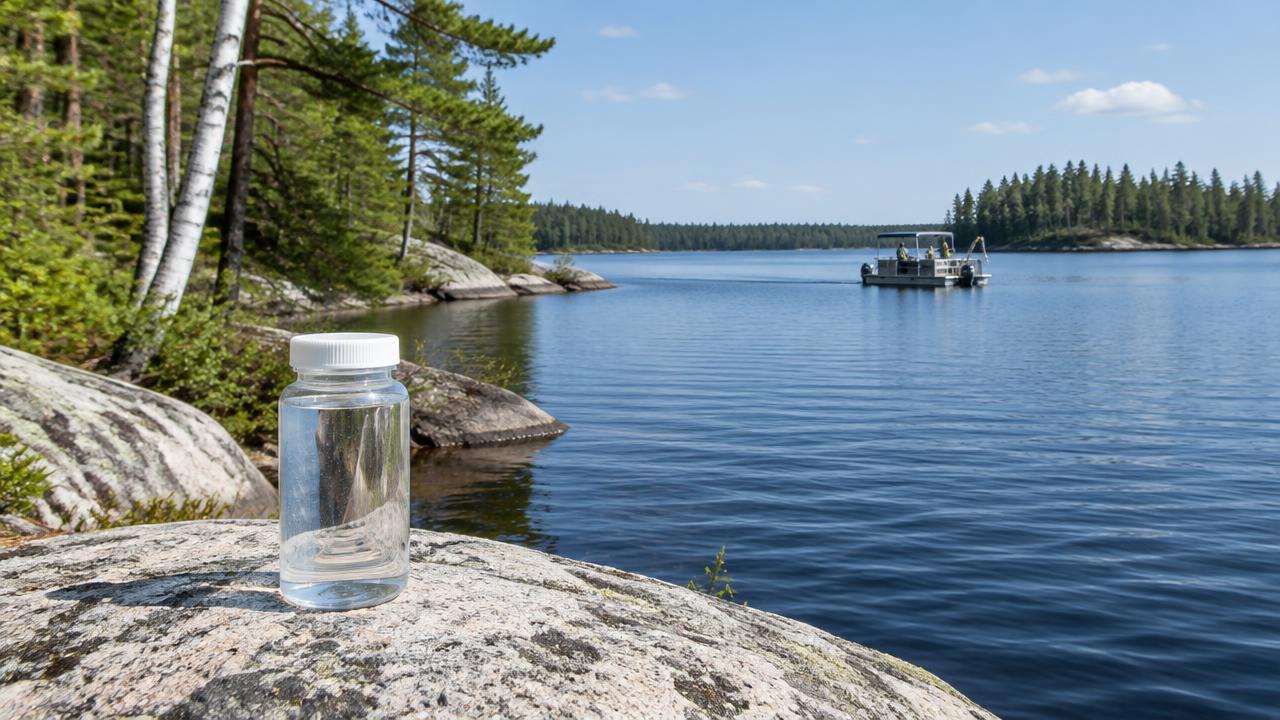
Alkalinity & Hardness
Buffering capacity, and whether alum is safe to use.
Contaminants
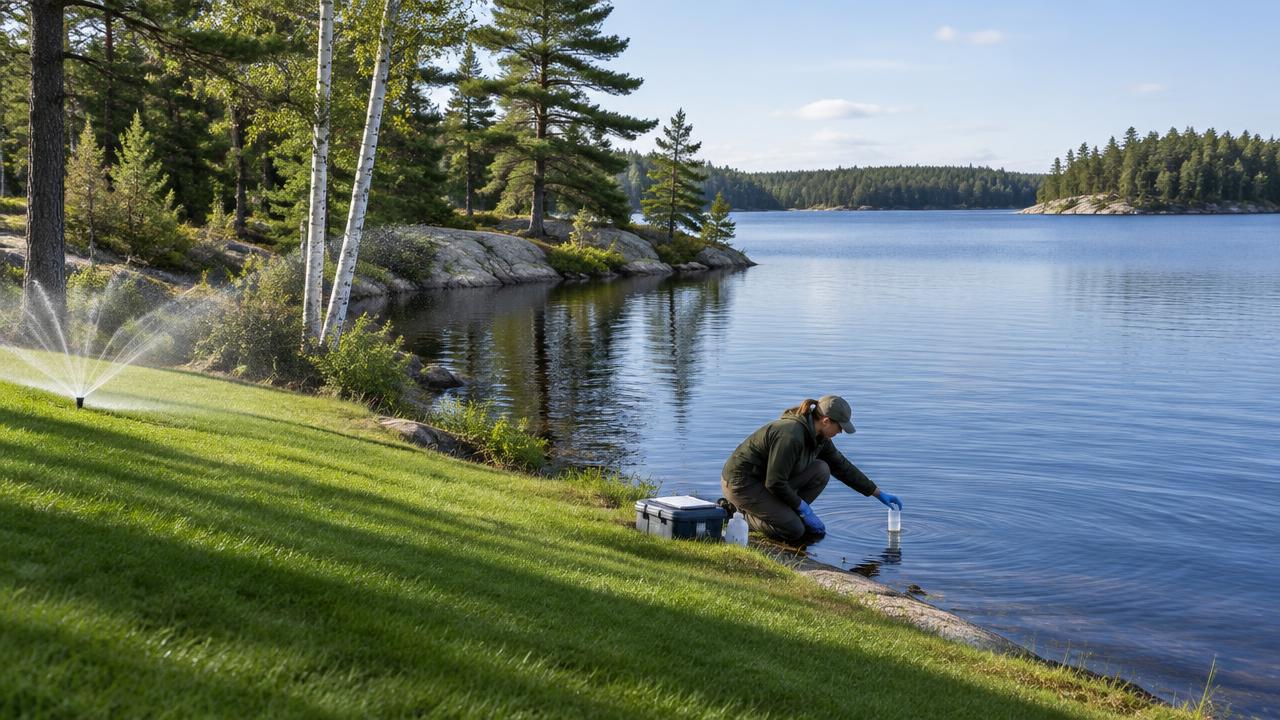
Fungicides & Pesticides
140 modern lawn and farm chemicals.
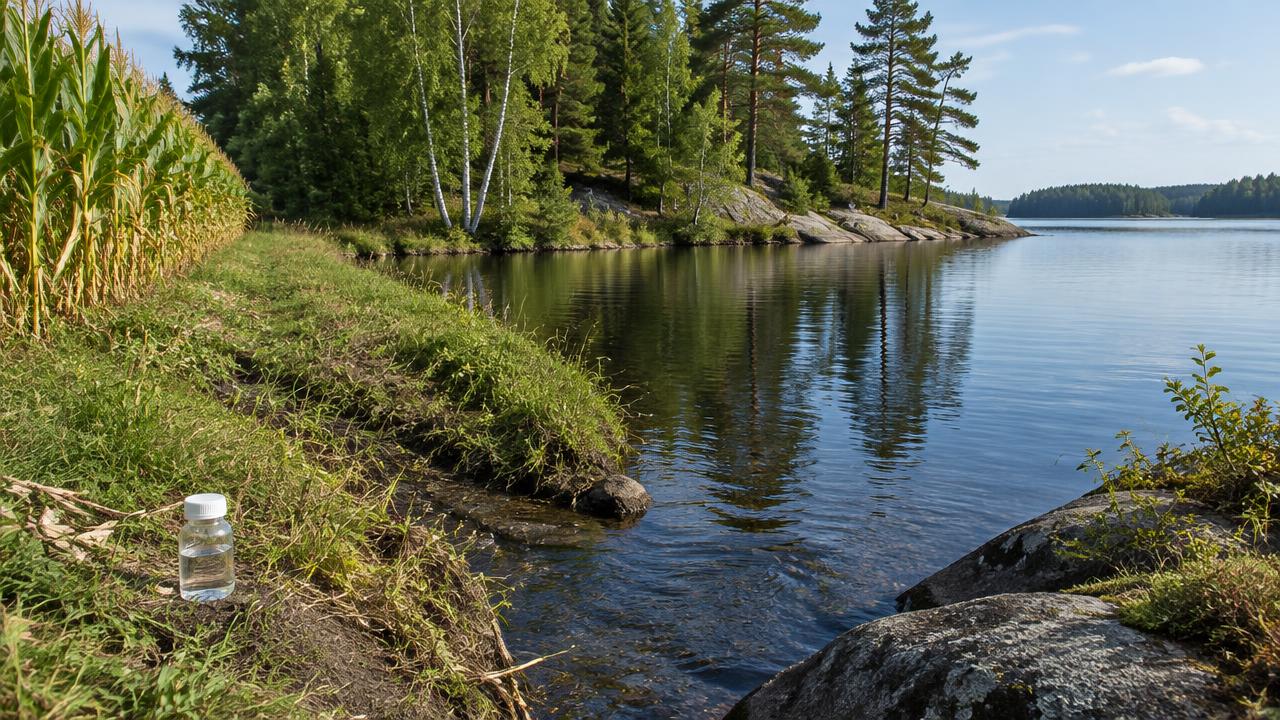
Pesticide Detection
Nine legacy compounds, including atrazine.
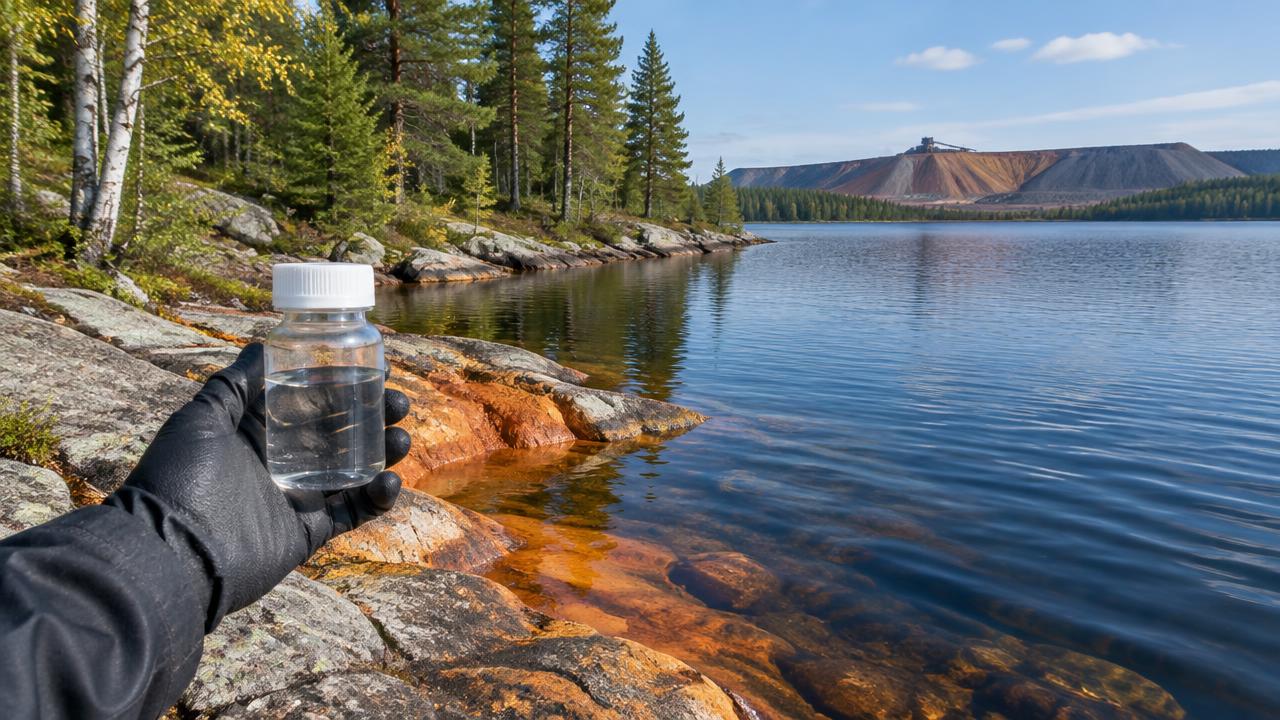
Metals CAM17
17 heavy metals from mining, industry, and urban runoff.
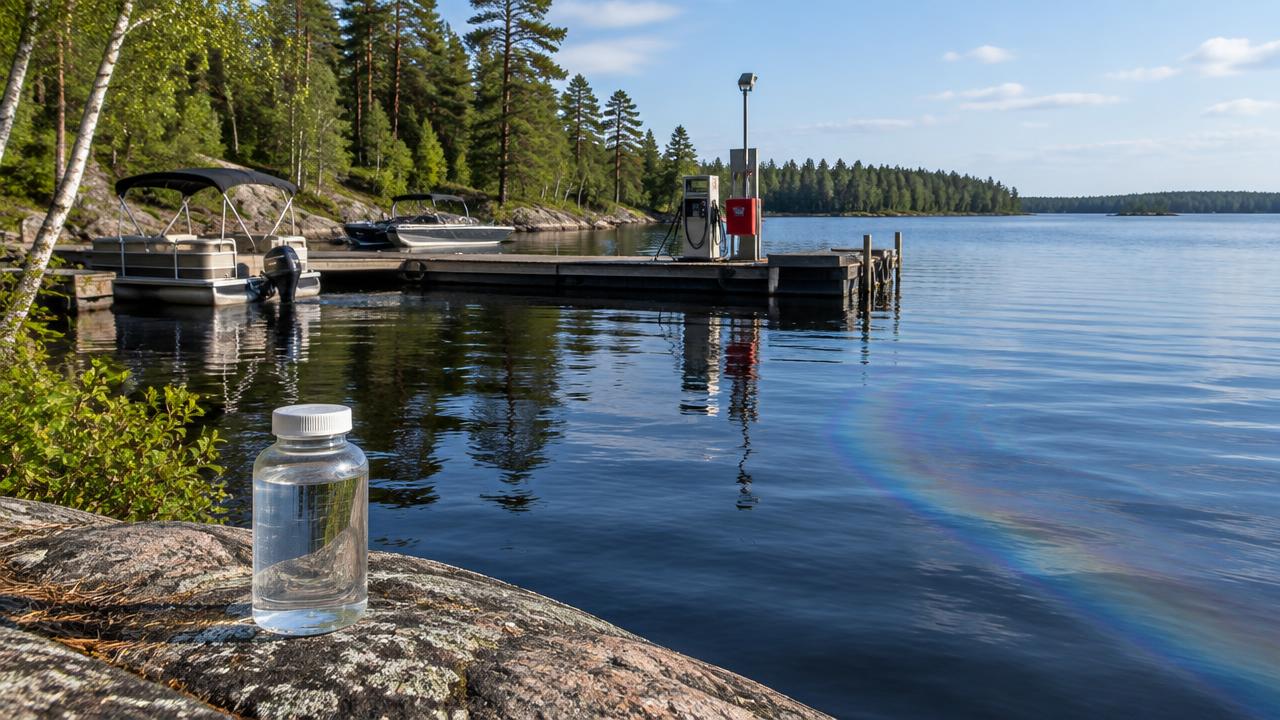
Hydrocarbons
Petroleum compounds and PAHs, for lakes near marinas and highways.
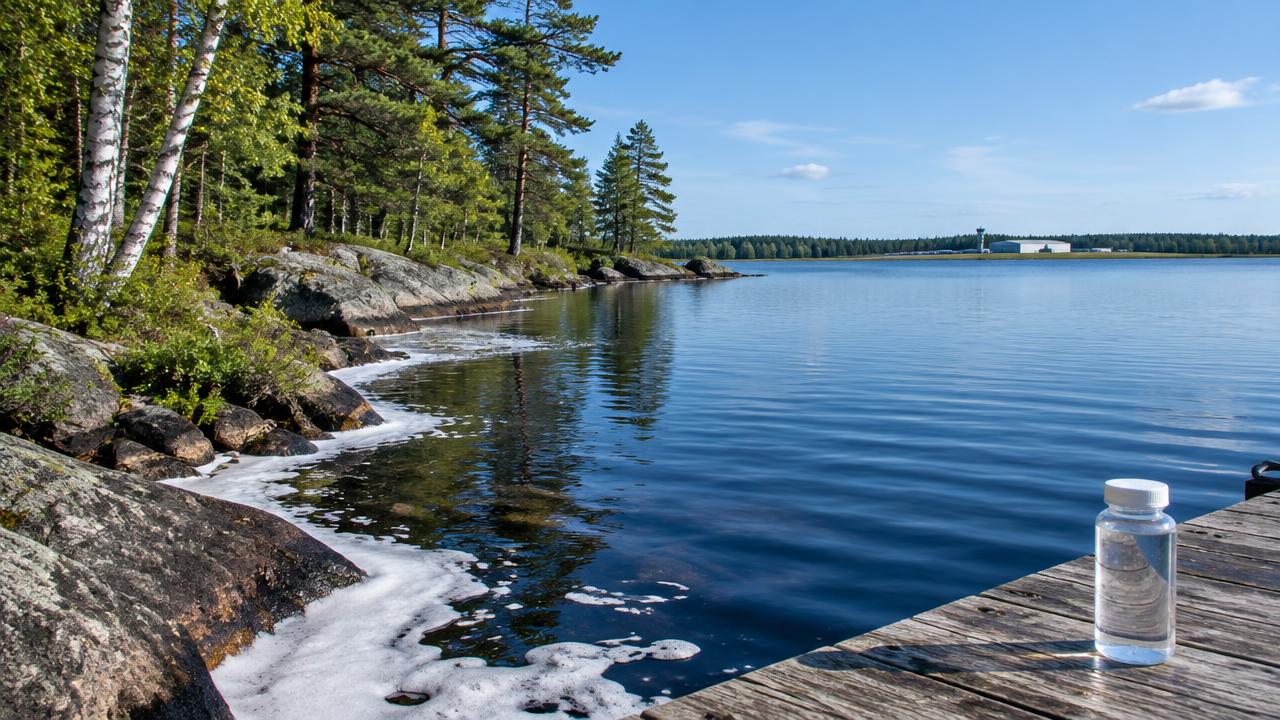
PFAS by EPA 1633
40 forever chemicals, the defensible number.
Comprehensive Microbiology
A 151-organism biological screen.
Sediment
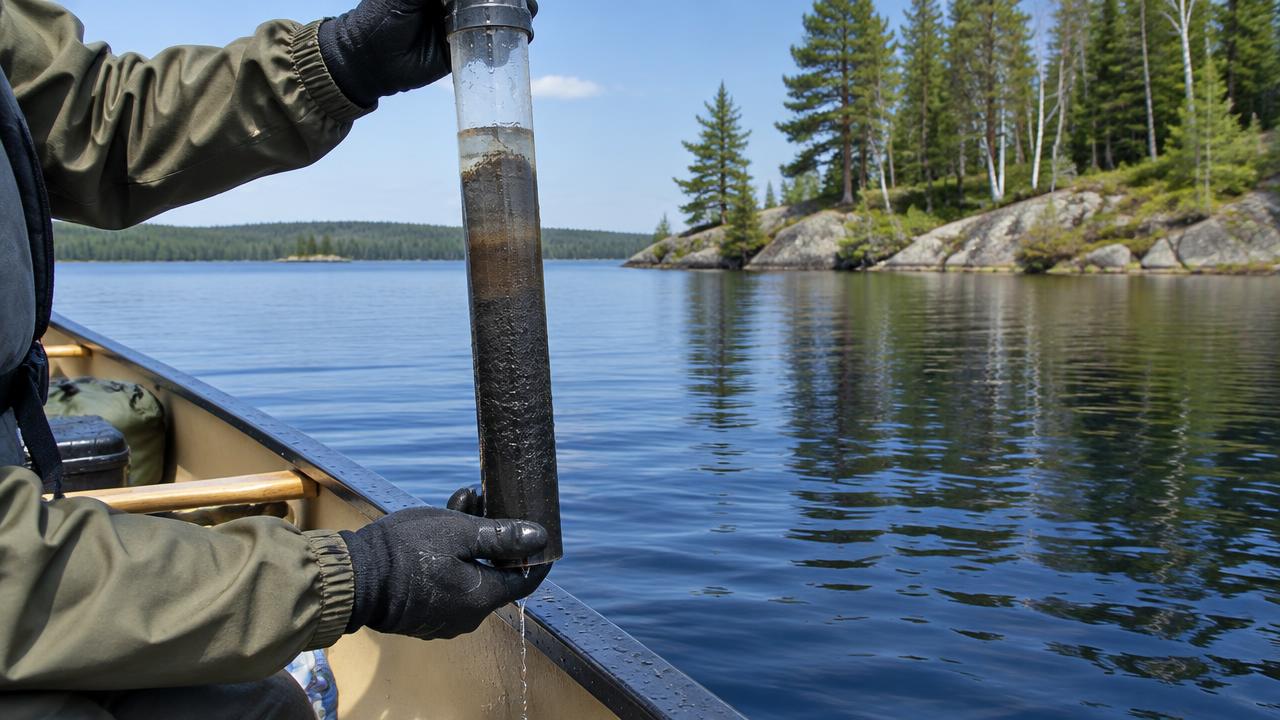
Total & Reactive Phosphorus
How much phosphorus is in the sediment, and how much is available now.
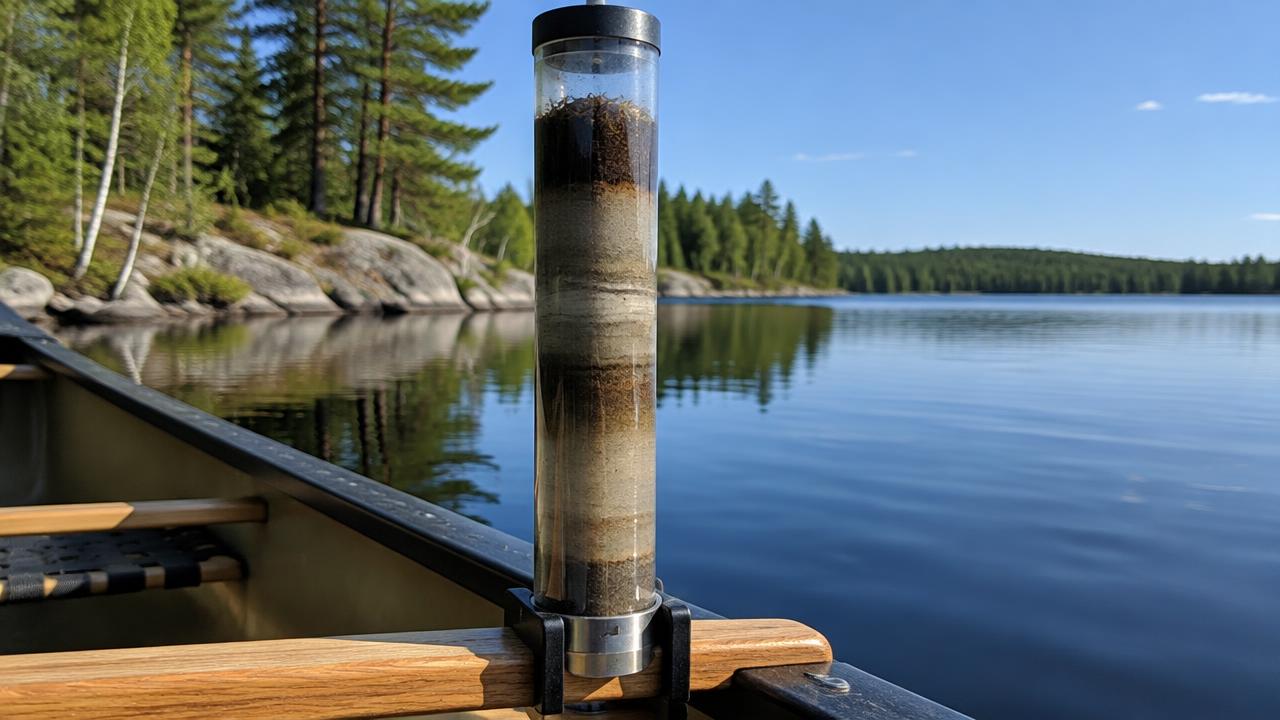
Phosphorus Fractionation
How much of that phosphorus can come back out.