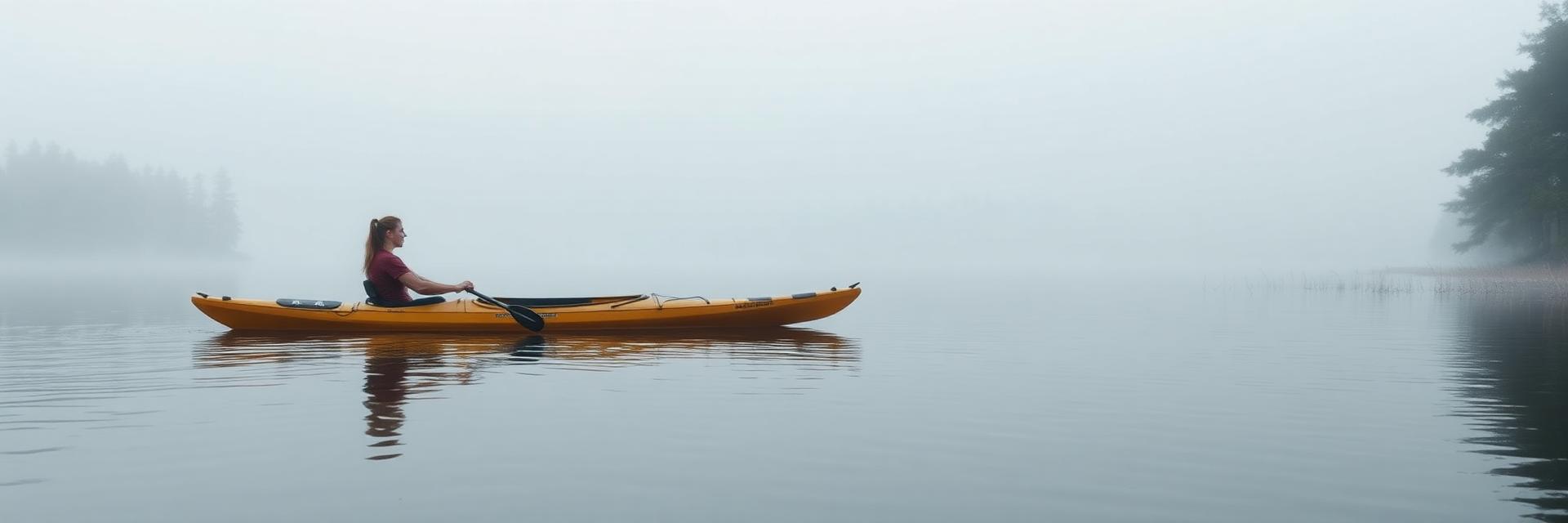
Looking at the water tells you almost nothing. Neither does the fact that everyone swam yesterday.
This is the question lake communities are asked more than any other, usually on a Saturday, usually by someone with children already in swimsuits. And the honest answer is that the two things people use to decide — how the water looks, and whether anyone got sick recently — are both close to worthless.
Here is what actually determines the answer.
The two risks are unrelated
Swimming risk comes from two entirely separate sources, and clear water can fail on either.
Bacteria. Usually E. coli or enterococci, arriving from stormwater runoff, failing septic systems, agricultural drainage, or waterfowl. Bacteria are invisible. Water can look pristine and carry enough to cause gastrointestinal illness, ear infections, or skin problems.
Cyanotoxins. Produced by some cyanobacteria during blooms. These can be visible, but not reliably — a toxic bloom can look like ordinary green water, and a dramatic-looking bloom can produce nothing at all.
A lake that is fine on bacteria can be dangerous on toxins, and vice versa. Testing one tells you nothing about the other.
Why yesterday does not help
Bacteria counts change fast. A lake that tested clean on Tuesday can be well over the threshold on Thursday if it rained in between.
Rainfall is the single strongest predictor of bacterial contamination in most lakes. Stormwater flushes whatever is on the ground — road surfaces, lawns, farm fields, goose droppings — directly into the water. The 24 to 48 hours after heavy rain is when risk peaks, and it is also when the weather clears and everyone goes swimming.
The other reason yesterday does not help: mild waterborne illness usually appears one to three days later and is almost never attributed to the lake. Nobody reports it. The absence of complaints is not evidence of safety; it is evidence that people do not connect a stomach bug on Wednesday to a swim on Sunday.
What the beach signs mean
Most states set a recreational threshold for E. coli — commonly around 235 colony-forming units per 100 millilitres for a single sample, though this varies and you should check your own state.
Two things worth knowing. Results take about 24 hours to culture, so a posted sign always describes yesterday's water. And most lakes are tested at one location, usually the public beach, which tells you very little about a cove two miles away with a different runoff pattern.
Who is actually at risk
Not everyone equally. Children swallow more water and are lower to the surface scum. Anyone immunocompromised faces worse outcomes from the same exposure. Open wounds are a direct route.
And dogs. Dogs drink lake water deliberately and then lick their coats, which concentrates any surface scum they swam through. Most cyanotoxin fatalities in the United States are dogs, and it usually happens fast.
The practical answer
If you want to know whether your lake is safe to swim, there are three things worth doing.
Test bacteria at the locations people actually swim, not just the public beach, and do it through the season rather than once. Test for cyanotoxins when there is a visible bloom, before anyone decides by eye. And avoid swimming for a day or two after heavy rain, which costs nothing and removes most of the bacterial risk.
None of this makes the answer permanently yes. It makes the answer knowable on the day someone asks.